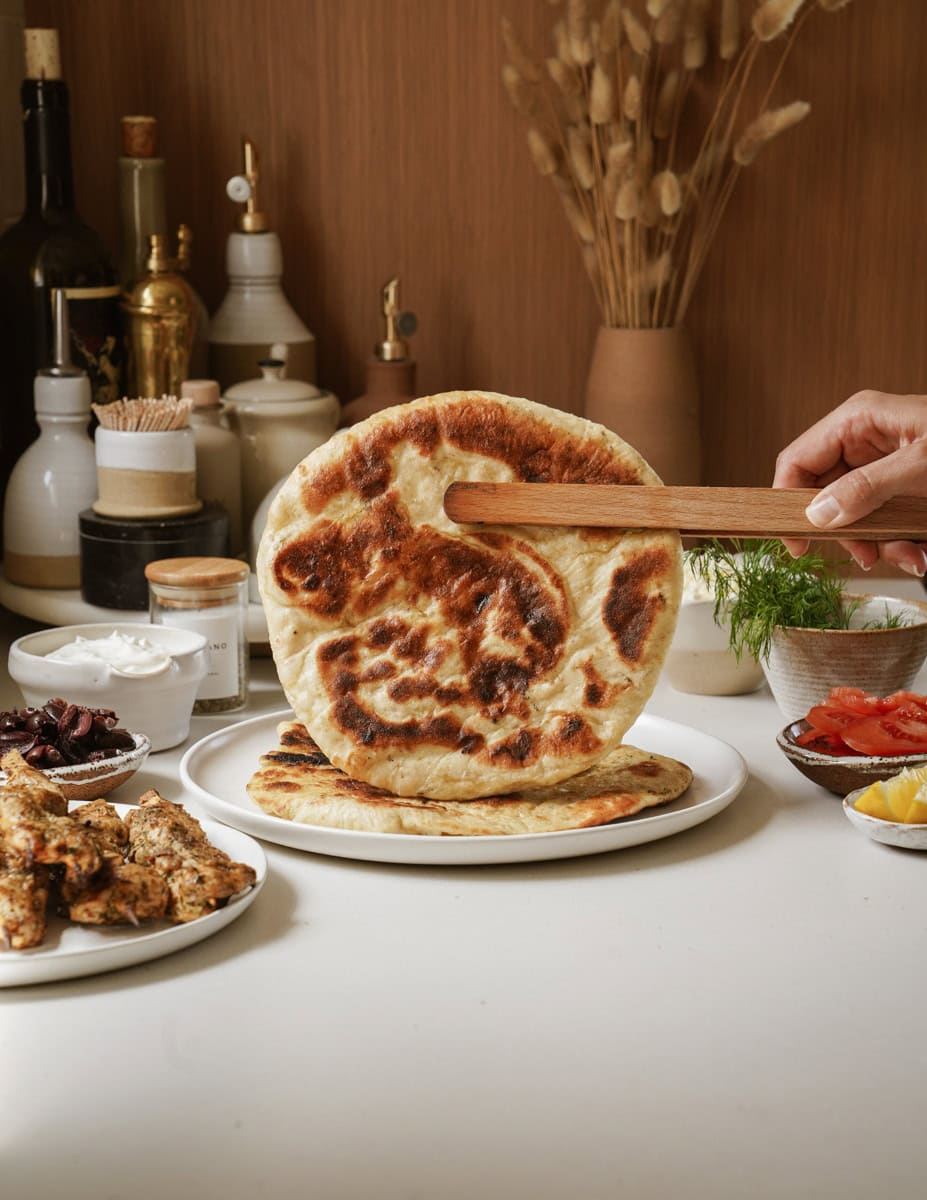
What Exactly is Gyro Bread? Your Guide to This Greek Culinary Staple
Few dishes capture the essence of Mediterranean street food quite like the mighty gyro. At its heart, beyond the succulent seasoned meat, crisp vegetables, and creamy tzatziki, lies the unsung hero: the gyro bread. This isn't just any flatbread; it's a soft, pliable, and utterly delicious Greek-style bread meticulously designed to cradle all those incredible fillings, transforming a collection of ingredients into a perfect handheld meal.
Often confused with standard pita, gyro bread possesses a distinct character. While both are round, leavened flatbreads, gyro bread tends to be slightly thicker and more absorbent than its pocketed pita cousin, with a wonderfully chewy yet tender crumb. It’s crafted to be soft and fluffy, acting as a warm, wheat-based embrace for savory fillings without tearing or becoming soggy. Its subtly earthy flavor complements the vibrant ingredients of Greek cuisine, making it the ideal foundation for everything from a classic gyro to a simple dip.
The beauty of this bread lies in its delightful simplicity. Made from a handful of basic pantry ingredients – flour, water, yeast, salt, a touch of sugar or honey, and olive oil – it comes together surprisingly quickly. In under an hour, you can transform these humble components into freshly baked rounds, bringing an authentic taste of Greece right into your kitchen. Whether you're a seasoned chef or a beginner baker, mastering gyro bread is a rewarding experience that elevates any meal.
The Fascinating History and Name Behind Gyro Bread
To truly appreciate gyro bread, it's essential to understand the origins of the iconic dish it serves. The word "gyro" itself (pronounced "yee-row") is Greek for "to turn" – a direct and vivid reference to the method of cooking the meat on a vertical rotisserie. This rotating spit allows for even cooking and a beautifully crisp exterior, with the meat shaved off in thin, flavorful slices.
While synonymous with Greece today, the concept of vertically roasted meat has historical roots that stretch back to the Ottoman Empire. Its predecessor, known as döner kebab, originated in Bursa, Turkey. During the population exchanges and forced migrations following the Greco-Turkish War in the 1920s, Greeks who had lived for centuries in Turkey brought this enticing culinary technique and tradition with them to their new homes in Greece. Here, it evolved, adapted to local tastes and ingredients, and became known as "gyro."
Initially, the term "gyro" referred specifically to the method of cooking the meat. However, over time, the word expanded to encompass the entire finished dish: the succulent rotisserie meat, typically pork or chicken, served wrapped in a soft flatbread with tomatoes, onions, fries, and a generous dollop of creamy tzatziki sauce. Thus, the bread became inextricably linked to the dish, adopting the name "gyro bread" to signify its crucial role in this beloved Greek culinary icon. It’s more than just a wrapper; it’s a canvas for history, culture, and incredible flavor.
Beyond the Classic Gyro: Unlocking Culinary Versatility
While it’s the quintessential vessel for a traditional gyro, the potential of gyro bread extends far beyond its namesake. Its soft texture, mild flavor, and sturdy yet flexible form make it an incredibly versatile component for countless meals, inspiring creativity in the kitchen.
- The Ultimate Wrap: Naturally, it’s perfect for unlocking flavor with a variety of wraps. Beyond the classic beef and lamb, chicken gyros, or vegetarian falafel, consider using it for breakfast wraps filled with scrambled eggs and feta, or even a unique twist on a quesadilla. Imagine it with grilled halloumi and roasted vegetables, or a Mediterranean-inspired tuna salad.
- Dipping & Scooping: Its absorbency and resilience make it ideal for scooping up creamy dips like hummus, baba ghanoush, or especially fresh, garlicky tzatziki. Tear it into wedges and serve it alongside a vibrant mezze platter with olives, feta, and dolmades.
- Mini Pizzas & Flatbreads: Use gyro bread as a quick base for individual pizzas. Top with marinara, cheese, and your favorite toppings, then bake until bubbly for a weeknight family treat. Or, brush with olive oil, sprinkle with oregano and sea salt, and grill lightly for a simple, flavorful accompaniment to any meal.
- Meal Prep Powerhouse: Preparing a batch of gyro bread at the beginning of the week can transform your meal prep. It stays fresh for several days, allowing you to whip up different wraps and quick meals each day, from savory lunch options to even unexpected sweet treats like a peanut butter and jelly wrap.
- Party Starter: Host a "Make Your Own Gyro" party! Lay out homemade gyro bread, a selection of meats (grilled chicken, carved lamb, falafel), fresh toppings (diced tomatoes, cucumbers, red onions, lettuce, feta), and various sauces (tzatziki, hummus, spicy feta dip). It encourages interaction and allows guests to customize their perfect meal.
Homemade Gyro Bread: Simple Ingredients, Incredible Flavor
The thought of baking bread from scratch might seem daunting, but homemade gyro bread is surprisingly accessible and incredibly rewarding. The process is straightforward, requiring minimal active time, and the resulting flavor and texture far surpass most store-bought alternatives. Plus, the aroma of fresh bread filling your kitchen is an experience in itself.
The ingredient list is wonderfully short and likely already in your pantry: all-purpose flour, warm water, active dry yeast, a pinch of sugar (to activate the yeast), salt, and olive oil. The magic happens when these simple elements combine. The dough comes together quickly, often requiring just a few minutes of kneading, followed by a relatively short rise time. One of the greatest advantages of making homemade gyro bread is its serious flavor in under an hour, making it a perfect last-minute addition to your meal plan.
Once risen, the dough is divided into small portions, rolled into rounds, and cooked on a hot griddle or cast-iron skillet. The high heat creates those characteristic light brown spots and encourages the bread to puff up, forming soft, pillowy disks. The key is not to overcook them, ensuring they remain pliable and tender, ready to be folded around your favorite fillings. The difference in taste and texture between homemade and store-bought is palpable – a fresh, slightly yeasty aroma, a delicate chewiness, and an overall warmth that elevates any dish.
For those with dietary concerns, gyro bread can also be adapted. While not significantly nutritious on its own, it serves as a wonderful vehicle for fiber-rich vegetables and protein sources, making it part of a healthy, balanced meal. If you or your guests have wheat allergies, opting for a gluten-free all-purpose flour blend (ideally one that includes xanthan gum for structure) can yield a satisfying result, ensuring everyone can enjoy this Greek delight.
Practical Tips for Storing and Reheating Your Gyro Bread
One of the many advantages of gyro bread is its excellent keeping quality, especially when stored correctly. This makes it perfect for meal prep or for simply having on hand for spontaneous Mediterranean cravings.
- Cooling is Key: Always allow your freshly cooked gyro bread to cool completely before storing. Storing warm bread will trap moisture, leading to sogginess and encouraging mold growth.
- Short-Term Storage (Refrigerator): For consumption within 3-5 days, wrap the cooled bread tightly in plastic wrap or place it in an airtight container. This prevents it from drying out and absorbing odors from other foods in the fridge.
- Long-Term Storage (Freezer): For extended freshness, gyro bread freezes beautifully for up to 3 months. Wrap individual pieces or small stacks securely in plastic wrap, then place them in a freezer-safe bag or container. This prevents freezer burn and makes it easy to grab just what you need.
- Thawing: When ready to use frozen bread, transfer it to the refrigerator to thaw overnight. For a quicker thaw, you can carefully separate individual pieces and let them sit at room temperature for an hour, or even use a microwave on a defrost setting for short bursts.
- Reheating for Optimal Texture:
- Oven/Toaster Oven: This is generally the best method for restoring that soft, slightly chewy texture. Preheat your oven to 350°F (175°C). Lightly mist the bread with a little water (this helps create steam and keeps it from drying out), then warm for 5-10 minutes, or until heated through and pliable.
- Skillet/Griddle: For a slightly crispy exterior and warm interior, place bread on a dry, preheated skillet over medium heat for 1-2 minutes per side.
- Microwave: While the quickest option, microwaving can sometimes make the bread a bit chewier. Heat for 10-20 seconds, checking frequently.
Conclusion
From its humble origins as a wrapper for vertically roasted meat to its current status as a versatile culinary foundation, gyro bread is more than just a simple flatbread. It embodies the rich history and vibrant flavors of Greek cuisine, offering a perfect balance of softness, chewiness, and subtle taste that complements an endless array of fillings. Whether you're savoring a classic gyro, scooping up your favorite dip, or experimenting with new culinary creations, understanding the roots and versatility of this delightful bread enriches every bite. Embrace the tradition, get creative in the kitchen, and discover the satisfying world of homemade gyro bread.
